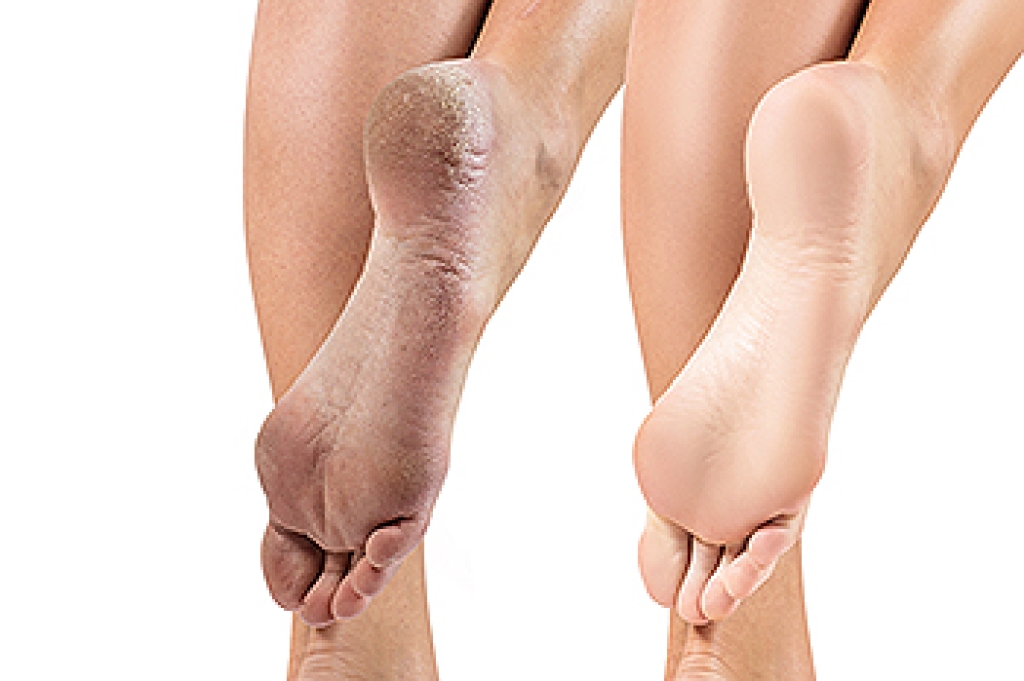
Cracked heels, also known as heel fissures, occur when the skin on the bottom of the heel becomes dry, thickened, and splits under pressure. This condition is common during the summer months when people wear open-backed shoes that expose the skin to dry air and friction. The heel naturally expands with weight-bearing, and when the skin lacks moisture and elasticity, it can crack. While mild cases may seem cosmetic, deeper cracks can become painful and increase the risk of infection. Maintaining smooth and healthy feet is essential for comfort, mobility, and overall foot health.
Symptoms of cracked heels include rough or flaky skin, visible splits, and thickened areas around the heel. As the condition progresses, cracks may deepen and cause pain when standing or walking. In severe cases, bleeding and inflammation can occur, making daily activities uncomfortable. Individuals with underlying skin conditions such as eczema may experience more persistent dryness and irritation. Recognizing early signs allows for prompt care and reduces the likelihood of complications that may require medical treatment.
Several risk factors contribute to the development of cracked heels. Obesity increases pressure on the heel, causing the skin to expand and crack more easily. Standing for long periods of time, especially on hard surfaces, adds stress to the heel pad. Wearing unsupportive or open-back shoes exposes the skin to environmental dryness. Medical conditions such as eczema and diabetes can affect skin integrity and healing. Dehydration and poor foot hygiene may also play a role. These factors combined can worsen dryness and lead to painful fissures if not addressed properly.
Keeping feet smooth during summer involves consistent moisturizing with thick creams that contain urea or lactic acid, regular gentle exfoliation, and wearing supportive footwear that protects the heel. Hydration and proper skin care routines help maintain elasticity and prevent cracking. Avoiding prolonged barefoot walking and using cushioned insoles can reduce pressure on the heels. If you have cracked heels, it is suggested that you consult a podiatrist for effective treatment to restore skin health and prevent further complications.
If the skin on your feet starts to crack, you may want to see a podiatrist to find treatment. If you have any concerns, contact one of our podiatrists from New Tampa Foot & Ankle. Our doctors can provide the care you need to keep you pain-free and on your feet.
Cracked Heels
It is important to moisturize your cracked heels in order to prevent pain, bleeding, and infection. The reason cracked heels form is because the skin on the foot is too dry to support the immense pressure placed on them. When the foot expands, the dry skin on the foot begins to split.
Ways to Help Heal Them
- Invest in a good foot cream
- Try Using Petroleum Jelly
- Ease up on Soaps
- Drink Plenty of Water
Ways to Prevent Cracked Heels
- Moisturize After Showering
- Skip a Shower
- Keep Shower Water Lukewarm
- Don’t Scrub Your Feet
If you are unsure how to proceed in treating cracked heels, seek guidance from a podiatrist. Your doctor will help you with any questions or information you may need.
If you have any questions, please feel free to contact our office located in Wesley Chapel, FL . We offer the newest diagnostic and treatment technologies for all your foot care needs.
