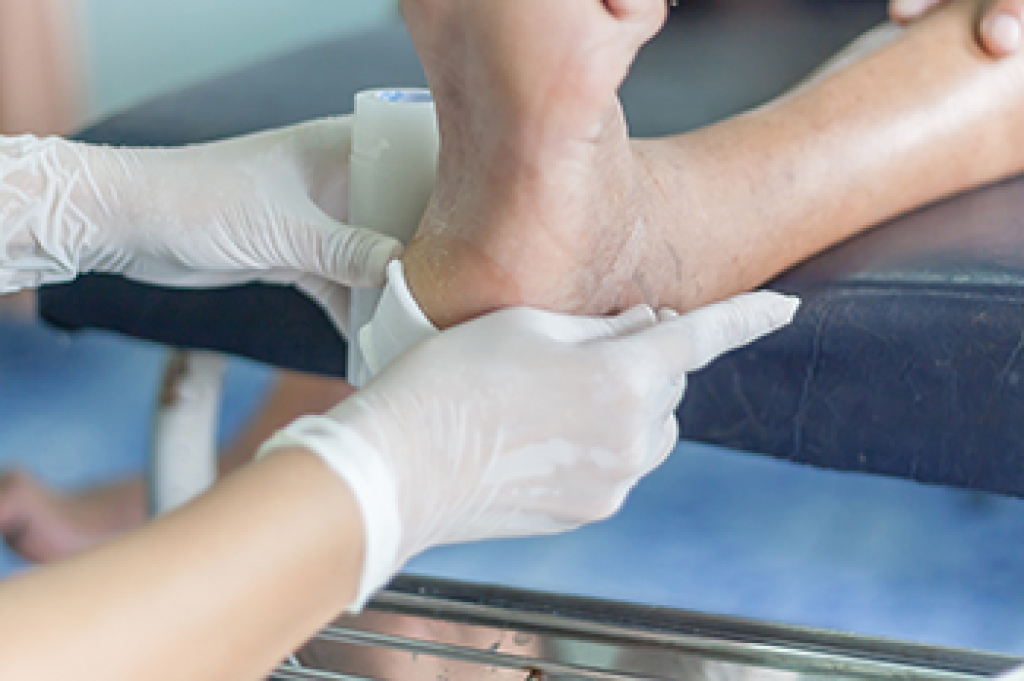
Toe Fracture Diagnosis and Care From a Podiatrist

A toe fracture can occur when a toe is stubbed, struck, or caught against an object. Most toe fractures heal without major problems, but fractures involving a symphalangeal toe can require a longer healing period. Symphalangism is a condition present from birth in which two bones in a toe are joined at the joint between them. It most often affects the smaller toes. Because the joined bones create a stiffer toe, the area has less flexibility when force is placed on it. This can increase the chance of a fracture after an injury. Symptoms include pain, swelling, and tenderness around the injured toe. Some patients also have difficulty walking comfortably because of pain and stiffness.

A podiatrist can examine the toe and use X-rays to determine whether a fracture is present. The examination helps identify the location and severity of the injury. Fractures involving a symphalangeal toe can behave differently from typical fractures of the smaller toes. Healing can take longer because the joined bones have different structural and blood-flow characteristics. In reported cases, patients treated without surgery eventually reached complete healing, but the healing period was longer than expected for many patients. Complete healing took an average of several months, with some fractures requiring substantially longer periods. This delayed healing does not necessarily mean that the fracture will fail to heal. Regular evaluation helps track changes and confirms that the bone is progressing toward healing.

Treatment depends on the location and condition of the fracture. A podiatrist can monitor the toe with follow-up examinations and X-rays to track healing. Care can also include protecting the injured toe and limiting stress placed on the fracture while healing takes place. Most symphalangeal fractures can be managed without surgery when the bones remain properly aligned. A podiatrist can determine whether additional treatment is necessary based on the fracture's position, symptoms, and healing progress. Recognizing the possibility of delayed healing allows appropriate monitoring and helps support a safe return to normal activity. If symptoms of a toe fracture or symphalangeal toe injury are present, it is suggested that an appointment be made with a podiatrist for a  diagnosis and appropriate treatment.

Broken toes may cause a lot of pain and should be treated as soon as possible. If you have any concerns about your feet, contact one of our podiatrists from New Tampa Foot & Ankle. Our doctors will treat your foot and ankle needs.

What Is a Broken Toe?

A broken toe occurs when one or more of the toe bones of the foot are broken after an injury. Injuries such as stubbing your toe or dropping a heavy object on it may cause a toe fracture.

Symptoms of a Broken Toe

  • Swelling
  • Pain (with/without wearing shoes)
  • Stiffness
  • Nail Injury

Although the injured toe should be monitored daily, it is especially important to have a podiatrist look at your toe if you have severe symptoms. Some of these symptoms include worsening or new pain that is not relieved with medication, sores, redness, or open wounds near the toe.

If you have any questions please feel free to contact our office located in Wesley Chapel, FL . We offer the newest diagnostic tools and technology to treat your foot and ankle needs.

Read more about What to Know About a Broken Toe

It's Time for Beautiful Feet

You don't need an excuse to have beautiful nails. Step outside without worrying about the appearance of your feet.

Understanding Sever's Disease in Children

Children's feet change as they grow, and some changes can lead to temporary but painful conditions. One of the most common causes of heel pain in active children is Sever's disease, also called calcaneal apophysitis. Despite its name, it is not an illness or infection. Instead, it develops when the growth area at the back of the heel becomes irritated during periods of rapid growth. This condition is most often seen in children and teenagers who participate in sports that involve running or jumping. Common symptoms include heel pain, tenderness, and discomfort during physical activity. Some children may also limp or avoid putting full weight on the affected foot. Because heel pain can have several causes, a professional evaluation is important to determine the correct diagnosis.


Sever's disease often develops when the heel bone grows faster than the surrounding muscles and tendons can adapt. The tight tissues pull on the growth plate, leading to irritation and inflammation. Children who are physically active or participate in high-impact sports may have a greater risk of developing this condition. Although the problem usually improves once the growth plate matures, ongoing pain can interfere with sports, school activities, and normal walking. A comprehensive podiatry examination helps identify the source of heel pain while ruling out fractures or other foot conditions. Early diagnosis also allows appropriate treatment to begin before symptoms become more limiting.


A podiatrist specializes in diagnosing and treating children's foot conditions, including Sever's disease. Professional care focuses on reducing heel pain, improving foot function, and helping children return to normal activities as safely as possible. Treatment is based on each child's symptoms, activity level, and stage of growth. Regular follow-up visits also allow healing to be monitored while ensuring the condition continues to improve. If your child has persistent heel pain or difficulty participating in everyday activities, it is suggested that you consult a podiatrist for an evaluation and appropriate treatment options.

Sever's disease often occurs in children and teens. If your child is experiencing foot or ankle pain, see one of our podiatrists from New Tampa Foot & Ankle. Our doctors can treat your child’s foot and ankle needs.

Sever’s Disease

Sever’s disease is also known as calcaneal apophysitis, which is a medical condition that causes heel pain I none or both feet. The disease is known to affect children between the ages of 8 and 14.

Sever’s disease occurs when part of the child’s heel known as the growth plate (calcaneal epiphysis) is attached to the Achilles tendon. This area can suffer injury when the muscles and tendons of the growing foot do not keep pace with bone growth. Therefore, the constant pain which one experiences at the back of the heel will make the child unable to put any weight on the heel. The child is then forced to walk on their toes.

Symptoms

Acute pain – Pain associated with Sever’s disease is usually felt in the heel when the child engages in physical activity such as walking, jumping and or running.

Highly active – Children who are very active are among the most susceptible in experiencing Sever’s disease, because of the stress and tension placed on their feet.

If you have any questions, please feel free to contact our office located in Wesley Chapel, FL . We offer the newest diagnostic and treatment technologies for all your foot care needs.

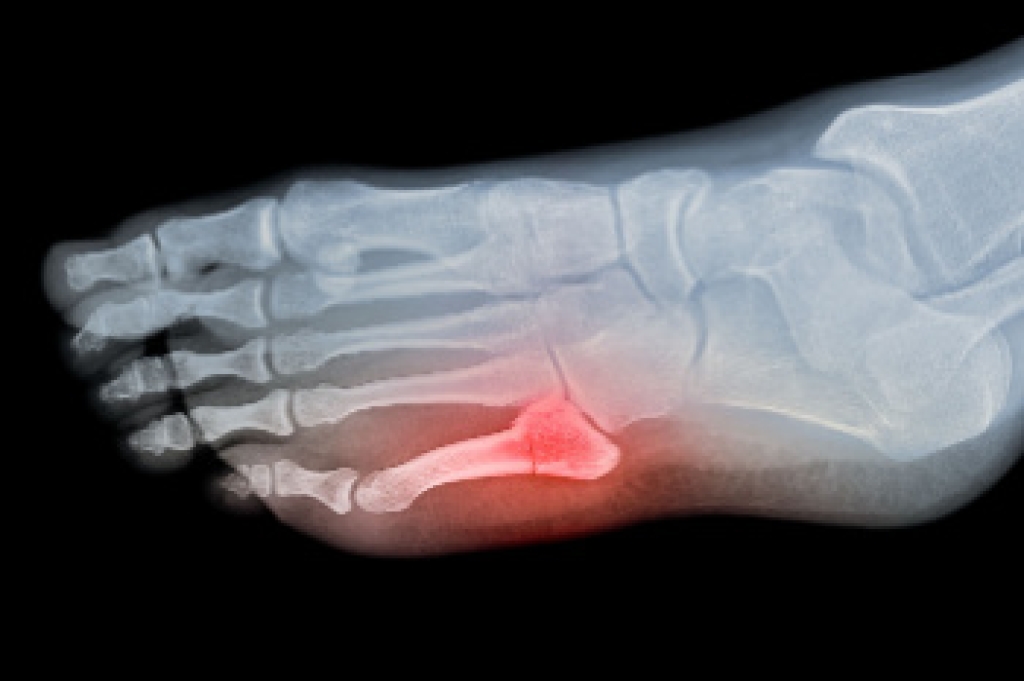
Read more about Sever's Disease

Plantar Warts and Professional Care

Plantar warts are small growths that develop on the bottom of the foot after infection with the human papillomavirus, also called HPV. The virus enters through tiny breaks in the skin and causes the outer layer to thicken. Because plantar warts grow on weight-bearing areas of the foot, they are often pushed inward by the pressure of standing and walking. This can make them painful and uncomfortable during everyday activities. Common symptoms include a rough, grainy area of skin, tenderness, and pain when putting weight on the foot. Some plantar warts also contain tiny black dots, which are small blood vessels. Since other foot conditions can look similar, a podiatric evaluation is important to confirm the diagnosis and recommend the most appropriate treatment.


Plantar warts may appear as a single growth or develop in clusters on the sole of the foot. The discomfort they cause can change the way a person walks, placing additional stress on nearby joints and soft tissues. In some cases, the wart becomes larger or more painful if it is not treated. Although plantar warts are generally not serious, they can interfere with work, exercise, and other daily activities. A thorough podiatry evaluation helps determine the size, location, and severity of the wart while ruling out other causes of foot pain.


A podiatrist specializes in diagnosing and treating plantar warts using methods that are appropriate for each patient's condition. Professional care focuses on removing the wart, relieving discomfort, and reducing the chance of recurrence. A podiatrist also evaluates the surrounding skin to identify any additional concerns that may require treatment. Early podiatry care may help prevent worsening pain and improve comfort during daily activities. If you have a painful growth on the bottom of your foot or think you may have a plantar wart, it is suggested that you consult a podiatrist for an evaluation and appropriate treatment options.

Plantar warts can be very uncomfortable. If you need your feet checked, contact one of our podiatrists from New Tampa Foot & Ankle. Our doctors will assist you with all of your foot and ankle needs.

About Plantar Warts

Plantar warts are the result of HPV, or human papillomavirus, getting into open wounds on the feet. They are mostly found on the heels or balls of the feet.

While plantar warts are generally harmless, those experiencing excessive pain or those suffering from diabetes or a compromised immune system require immediate medical care. Plantar warts are easily diagnosed, usually through scraping off a bit of rough skin or by getting a biopsy.

Symptoms

  • Lesions on the bottom of your feet, usually rough and grainy
  • Hard or thick callused spots
  • Wart seeds, which are small clotted blood vessels that look like little black spots
  • Pain, discomfort, or tenderness of your feet when walking or standing

Treatment

  • Freezing
  • Electric tool removal
  • Laser Treatment
  • Topical Creams (prescription only)
  • Over-the-counter medications

To help prevent developing plantar warts, avoid walking barefoot over abrasive surfaces that can cause cuts or wounds for HPV to get into. Avoiding direct contact with other warts, as well as not picking or rubbing existing warts, can help prevent the further spread of plantar warts. However, if you think you have developed plantar warts, speak to your podiatrist. He or she can diagnose the warts on your feet and recommend the appropriate treatment options.

If you have any questions, please feel free to contact our office located in Wesley Chapel, FL . We offer the newest diagnostic and treatment technologies for all your foot care needs.

Read more about All About Plantar Warts

Heel Pain Can Be Treated!

Do you suffer from heel pain when you get up in the morning? If so, you should seek professional help and have a proper diagnosis performed. Heel pain can be caused by several different foot-related conditions.

scroll to top